

Institute Centers
The Henry C Lee Institute of Forensic Science houses six centers of excellence. Each of these centers provides the opportunity to examine in detail the principles and procedures of forensic science through the study of various disciplines and technologies. Practitioners and students are brought together to examine evidence, to determine the procedures best suited for that evidence and to use state-of-the-art technology in their investigation.
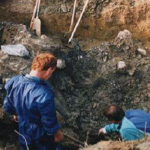 |
Cold Case Center More than 25 cases have been solved, either directly or indirectly, as a result of case reviews and training at the cold case center. All officers who attended the training found the processes and methods discussed in the class to be most helpful to their investigations by providing new insight into the recognition and analysis of evidence. Learn More |
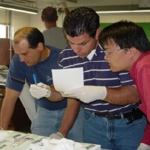 |
National Crime Scene Training & Technology Center Federal grants establishing a regional Forensic Technology Assistance Team (2010) and the Evidence Response Training Center (2009) provide access to advanced technology and training that can be used by local, state, and regional law enforcement personnel. Learn More |
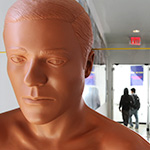 |
The Forensic Science Learning Center Within the Learning Center there are several touch screen kiosks that allow the visitor to study various famous cases, to learn more about a particular area of forensic science and to use hands-on activity stations. Learn More |
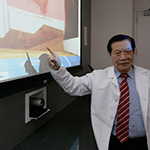 |
Forensic Crisis Management and Investigation Center The Forensic Crisis Management and Investigation Center– the “Command Center”– provides the tools to handle any major incident requiring immediate forensic expertise such as advanced technology, mobilization of experts, crime scene investigation, identification of victims and other forensic-related activities. Learn More |
 |
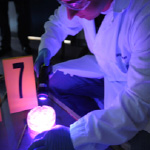
Advanced Technology Center The state-of-the-art equipment in the Advanced Technology Center includes 3D laser scanning, instruments for the analysis of documents and other materials with alternate light combinations, ground penetrating radar, and other computerized crime scene equipment. Learn More |
 |
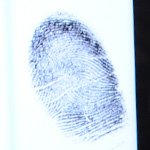
Research and Training Center Areas of research include crime scene investigation, human biometric identification, DNA and other biological evidence, trace evidence, drugs and narcotics, teleforensic communications and cybercrime detection.Learn More |